 Mimin Satu
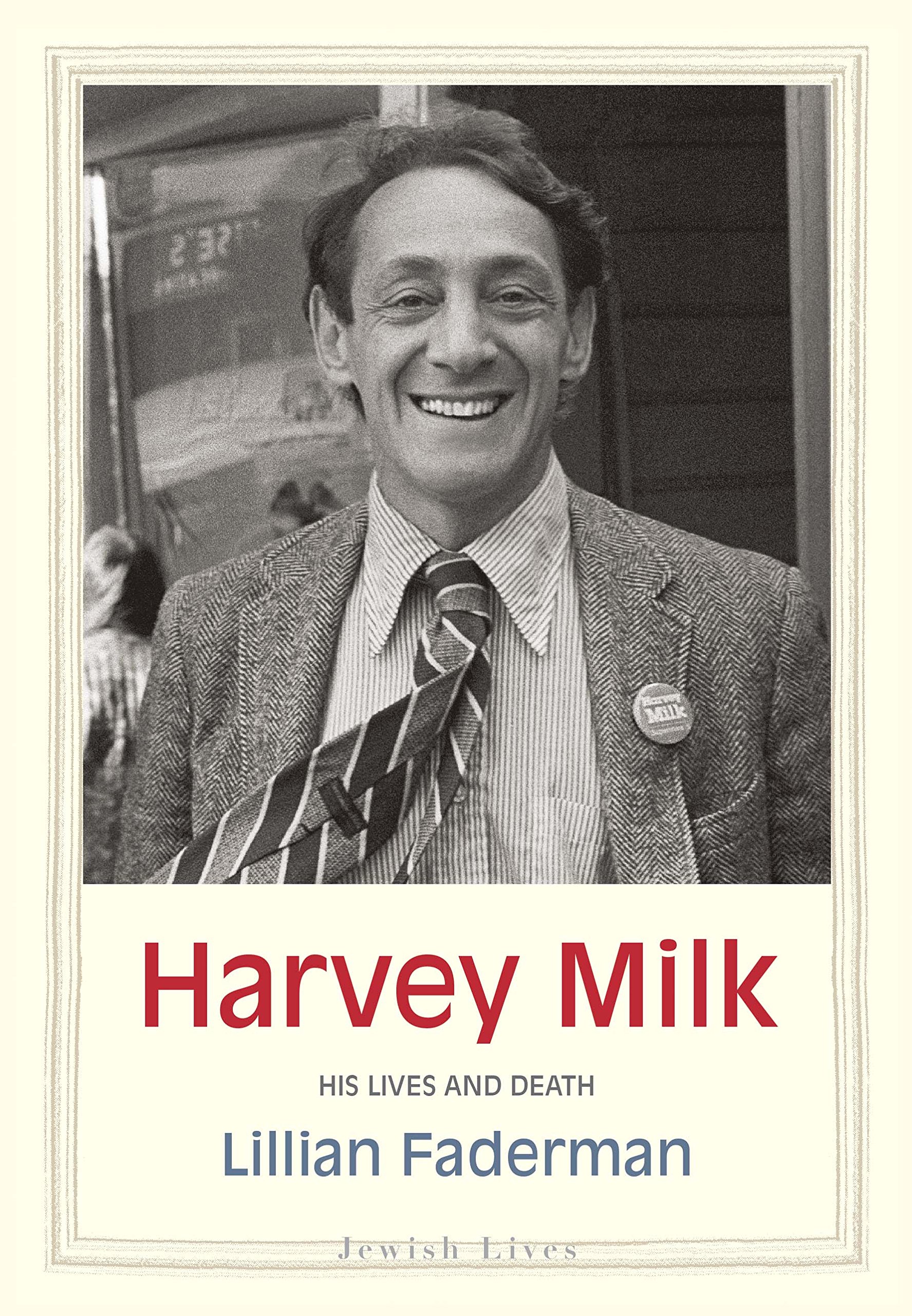
In the landscape of civil rights movements, few names shine as brightly and bravely as Harvey Milk. He was not only one of the first openly gay elected officials in the United States, but also a passionate advocate for equality, inclusion, and human dignity. His life, although tragically cut short, continues to inspire generations to stand up for what is right and to live openly and authentically.
The Man Behind the Movement
Harvey Milk was born on May 22, 1930, in New York. Raised in a traditional Jewish family, he initially lived a relatively quiet and conventional life. He served in the U.S. Navy, worked in finance, and kept his sexuality private for many years. However, the 1960s and 70s were a time of social awakening, and Harvey began to embrace his identity more openly.
After moving to San Francisco, he found a welcoming and vibrant LGBTQ+ community in the Castro District. It wasn’t long before he realized that visibility alone wasn’t enough—representation in leadership was equally essential. And so, Harvey entered politics, not out of ambition, but from a deep belief in justice and equality.
Breaking Barriers in Politics
In 1977, Harvey Milk made history by being elected to the San Francisco Board of Supervisors, becoming one of the first openly gay individuals to hold public office in the U.S. His campaign slogan, “You gotta give them hope,” wasn’t just catchy—it was a powerful call to action for those who had long been marginalized and silenced.
As a supervisor, Milk worked tirelessly to pass legislation that protected the rights of the LGBTQ+ community, including a groundbreaking anti-discrimination ordinance. But his concerns extended beyond just LGBTQ+ issues. He advocated for affordable housing, better public transportation, and support for small businesses. His ability to build bridges across different communities made him a respected and beloved figure even among those who didn’t fully agree with his views.
A Legacy Born from Tragedy
Sadly, Harvey Milk’s life was tragically ended on November 27, 1978, when he and San Francisco Mayor George Moscone were assassinated by a disgruntled former city supervisor, Dan White. The loss shocked the nation and sparked widespread protests, particularly after White received a lenient sentence—a decision that led to the infamous “White Night Riots.”
But even in death, Milk’s message lived on. His courage and authenticity had ignited a movement that could not be silenced. In the years that followed, his legacy only grew stronger.
Why Harvey Milk Still Matters
Harvey Milk’s impact goes far beyond the political office he once held. He became a symbol of visibility, a reminder that change begins when people are willing to live their truth and speak up for themselves and others. For many, especially LGBTQ+ youth, his story is a reminder that they are not alone, and that their voice matters.
His legacy is honored every year on Harvey Milk Day (May 22), celebrated in California and by LGBTQ+ communities around the world. His name adorns schools, public buildings, and even a U.S. postage stamp—proof of how far society has come, and a reminder of how far we still need to go.
A Call for Courage and Compassion
Harvey Milk once said, “Hope will never be silent.” His life is proof that one voice, even in the face of hatred and adversity, can spark lasting change. In today’s world, where divisions still exist and acceptance is still being fought for in many corners, Milk’s story serves as both an inspiration and a challenge.
We are all capable of being agents of change—whether by voting, educating others, standing up against injustice, or simply by being ourselves. Like Harvey, we don’t need to be perfect to make a difference. We just need to care deeply and act with courage.
-khoirunnisa azzahra